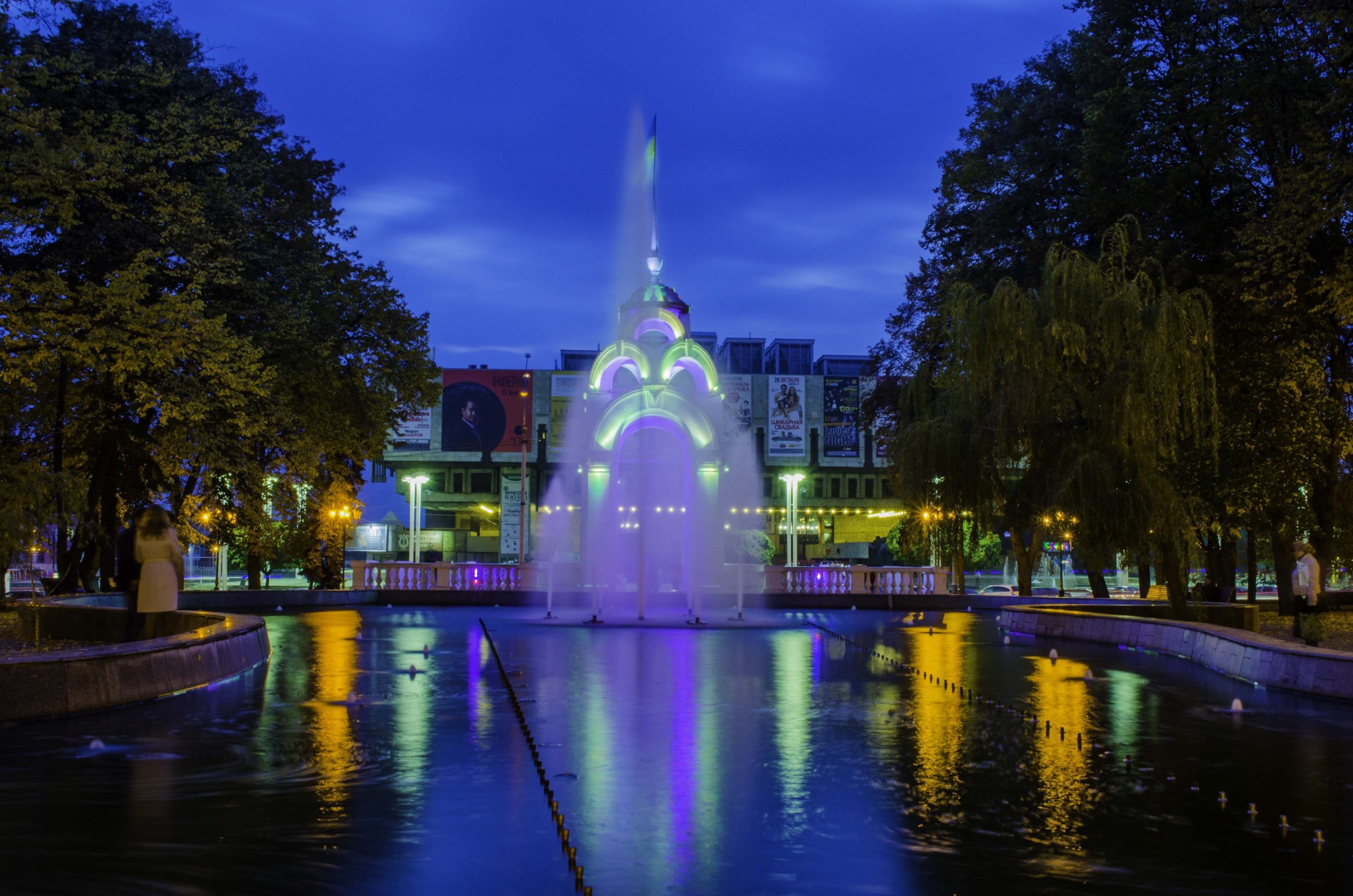

Water mirrors are increasingly being used in the architecture of hotels, office buildings, shopping centres, public spaces and landscaping projects. These features, offering a beautiful view, elegance and a unique aesthetic experience, have become a highly valued option among architects and designers. However, it is important to be aware of certain key facts. For instance, it is essential to establish the correct depth and comply with current regulations in order to ensure their proper functioning and the safety of users.
In this article, we will discuss the depth that a water mirror should have, as well as some regulations and safety requirements applicable to water mirrors.
What depth should a water mirror have?
The depth of a water mirror will depend on several factors, such as its intended use, the location where it will be installed, its design and the maintenance it requires. Unlike swimming pools and ponds, these features are generally built with the aim of producing a reflective surface visual effect and therefore do not require a large volume of water.
Most common depths in professional projects
Most professional projects feature a depth of between 5 and 20 centimetres. Shallow water layers, between 5 and 10 cm, are common both in indoor areas and in locations where a stronger mirror effect is desired and less water is to be used.
Depths of between 10 and 20 centimetres may also be appropriate for designs that incorporate decorative elements, underwater lighting or specific hydraulic systems, as well as for outdoor installations.
It is advisable to avoid excessive depths in ornamental installations, as they increase construction, maintenance and energy costs without providing significant aesthetic benefits.
Regulations and safety requirements for water mirrors
Rules may vary depending on where the project is carried out and the applicable local regulations. However, there are several general requirements that must be taken into account in any professional installation.
Accessibility, risk prevention and water quality
One of the most important aspects is accident prevention. Water mirrors are typically located in high-traffic areas, so it is important to minimise the risk of trips, slips and falls. To this end, it is recommended to use non-slip paving in the immediate surrounding area and to create safe access routes for users of all ages and abilities.
Similarly, projects must comply with universal accessibility standards, ensuring that there are no architectural barriers and that integration into the space is appropriate.
Another key factor is water quality. Although these are not facilities intended for bathing, the water must be kept in hygienic conditions through recirculation, filtration and treatment systems that prevent the appearance of unpleasant odours, algae or micro-organisms.
Key elements for a safe and efficient design
From the outset, a professional design must take into account aspects such as durability, operational efficiency and safety. Proper planning of gradients, overflow drains and drainage systems makes it possible to control water levels and prevent unwanted accumulations during heavy rainfall.
Another aspect to consider is lighting, which is particularly important in outdoor spaces or areas used at night. Adequate lighting improves visibility, enhances user safety and adds to the aesthetic value of the water mirror.
Likewise, to ensure the installation has a long service life, it is important to select materials that are resistant to chemicals, humidity and environmental conditions.
Recirculation systems, maintenance and waterproofing
The functioning of a water mirror is heavily dependent on its hydraulic systems. Constant recirculation helps to keep the water clean and in motion, reducing the likelihood of stagnation and improving its quality.
Waterproofing is also an essential aspect. Proper execution prevents infiltration, water loss and potential long-term structural damage. For this purpose, waterproof membranes, specific coatings and construction solutions tailored to each project are generally used.
Finally, regular maintenance is necessary to ensure the safety and aesthetics of the installation. Cleaning the filters, checking the pumps and monitoring water quality guarantees optimal performance throughout the year.
In conclusion, the depth of a professional water mirror is generally between 5 and 20 centimetres, but each project requires a specific analysis. Likewise, in order to achieve attractive, durable and safe spaces, it is important to comply with safety, accessibility, maintenance and water quality requirements.