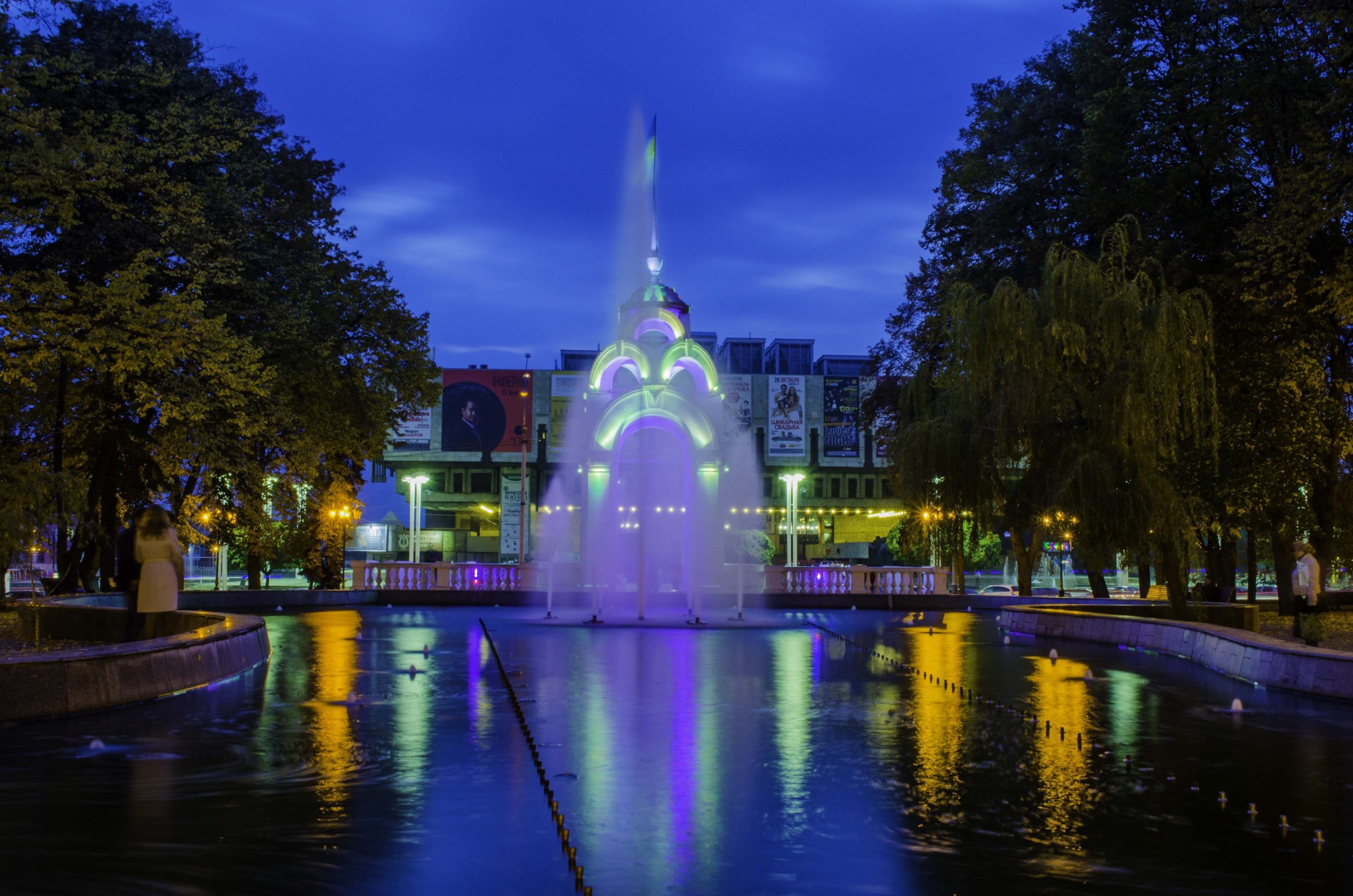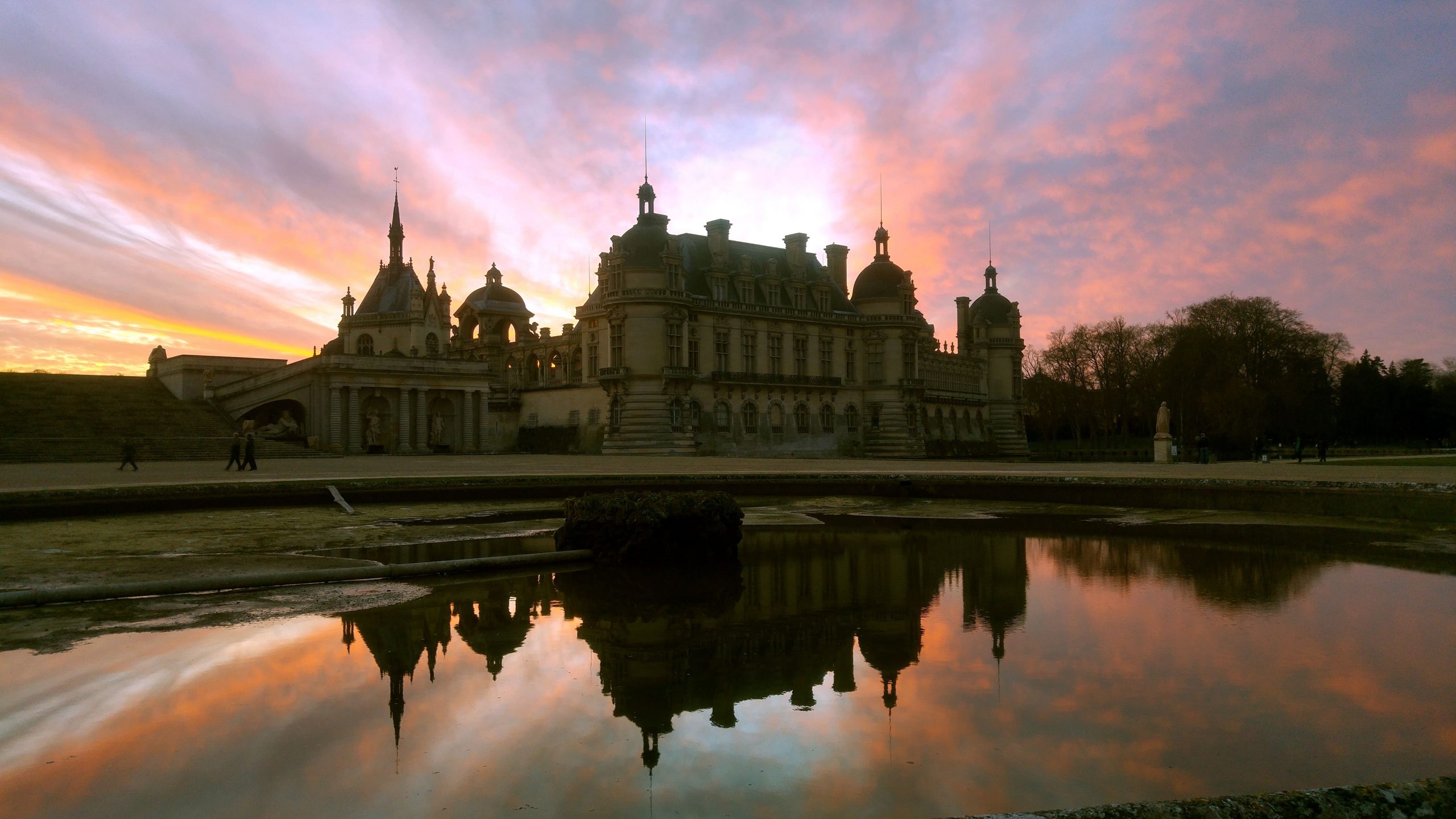
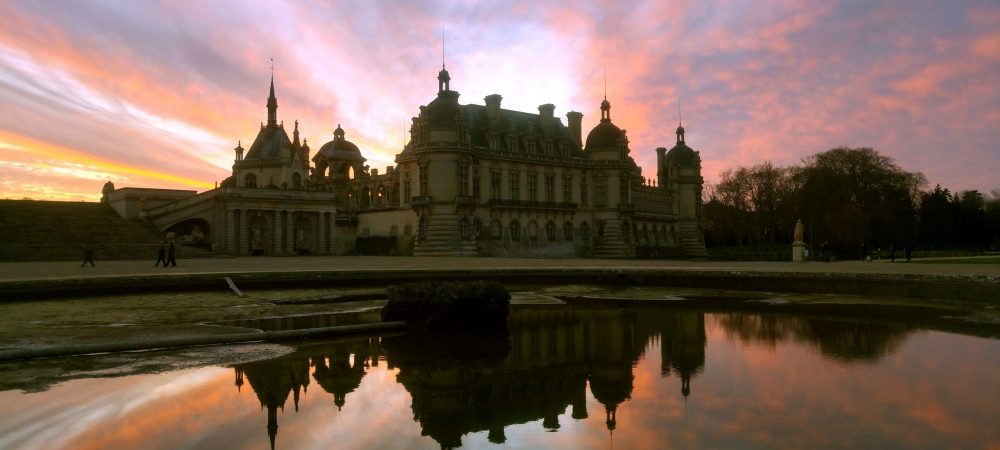
The mirror pond is increasingly being incorporated into contemporary landscape architecture because it can transform outdoor spaces by reflecting their surroundings. Its presence conveys visual calm, spaciousness and great aesthetic value, uniting nature with architectural design. In addition to its beauty, it also has environmental and sensory functions that enhance people’s experience in gardens, parks or public places.
What is a mirror pond?
A mirror pond is a water mirror, that is, a surface of water that reflects its surroundings like a mirror. They are generally shallow and have a very still surface, designed to reflect the landscape around them. Their main purpose is not water-based activity, but to achieve a visual mirror effect that multiplies elements such as trees, buildings or the sky.
These ponds stand out for their simple design, their well-defined edges and the absence of any element that interrupts the surface of the water. This creates a sense of connection between the real world and its reflection, making spaces appear larger, more organised and visually balanced.
Technical and design guidelines for a mirror pond
Designing a mirror pond requires careful planning that combines visual and technical aspects. It is important that the basin is watertight, since any leakage can affect operation and reduce the durability of the system. High-quality waterproof materials and robust structures are used.
Another important aspect is the depth, which is generally reduced to help with water stability and minimise movement. To achieve the mirror effect, the surface must be completely calm. Therefore, factors such as wind or location within the space should be taken into account.
It is very important to have a hydraulic system to take care of the pond. Recirculation, filtration and, in some cases, automatic water treatment systems should be included to prevent the formation of algae or dirt. Water quality directly influences the clarity of the reflection.
In terms of design, mirror ponds usually have simple lines and basic geometric shapes, although they can also be adapted to more natural designs depending on the style of the project. The choice of materials for the edges, whether natural stone, concrete or steel, helps to improve the overall appearance of the place.
Light is a key factor, especially in projects developed at night. Light can be applied subtly to enhance the effect of the water without disturbing the sense of visual tranquillity.
What are the uses of a mirror pond in landscaping?
The mirror pond has multiple uses in contemporary landscape design, both in public and private spaces. It is one of the most common ways to use it as an ornament, whether in courtyards or gardens. It brings elegance and tranquillity.
In urban projects it is used to adorn squares, public buildings, cultural sites, etc. Its ability to reflect the surrounding architecture helps create a visual link between the building and the natural environment, thus establishing a relationship between the structure and nature.
On the other hand, it is indispensable for the senses, since water helps to create relaxing atmospheres, which reduces tension and improves the experience of those who use it. That is why it is common to see it in resting areas, hotels and wellness centres.
The mirror pond can have environmental impacts in some situations. As it evaporates, it helps lower the temperature of warm areas and improves the surrounding microclimate.
It can also serve as an element that organises space, allowing paths to be laid out, areas to be separated or points of interest to be marked in the layout of the landscape.
Finally, the mirror pond is a useful resource for creating landscapes that combine aesthetics, functionality and sensory experiences. Its proper integration enables the creation of more balanced spaces, in harmony with and linked to the urban and natural environment.