The current design of urban and institutional spaces does not only serve a practical function, but also seeks to create experiences, foster well-being and establish a unique visual identity. Water mirrors have already become an important part of the architecture and decoration of today’s landscapes.
Their capacity to transform spaces, beautify and improve the perception of the environment makes them an increasingly common solution in squares as well as in offices, cultural centres and public places.
What are water mirrors?
Water mirrors are areas of water that reflect everything around them. Their primary purpose is to generate a visual impact, whether pleasant or useful, depending on the use they are given. These elements can be applied in landscaping, architecture and urban planning, helping to create harmonious and balanced spaces. They can also help regulate the microclimate and improve air quality.
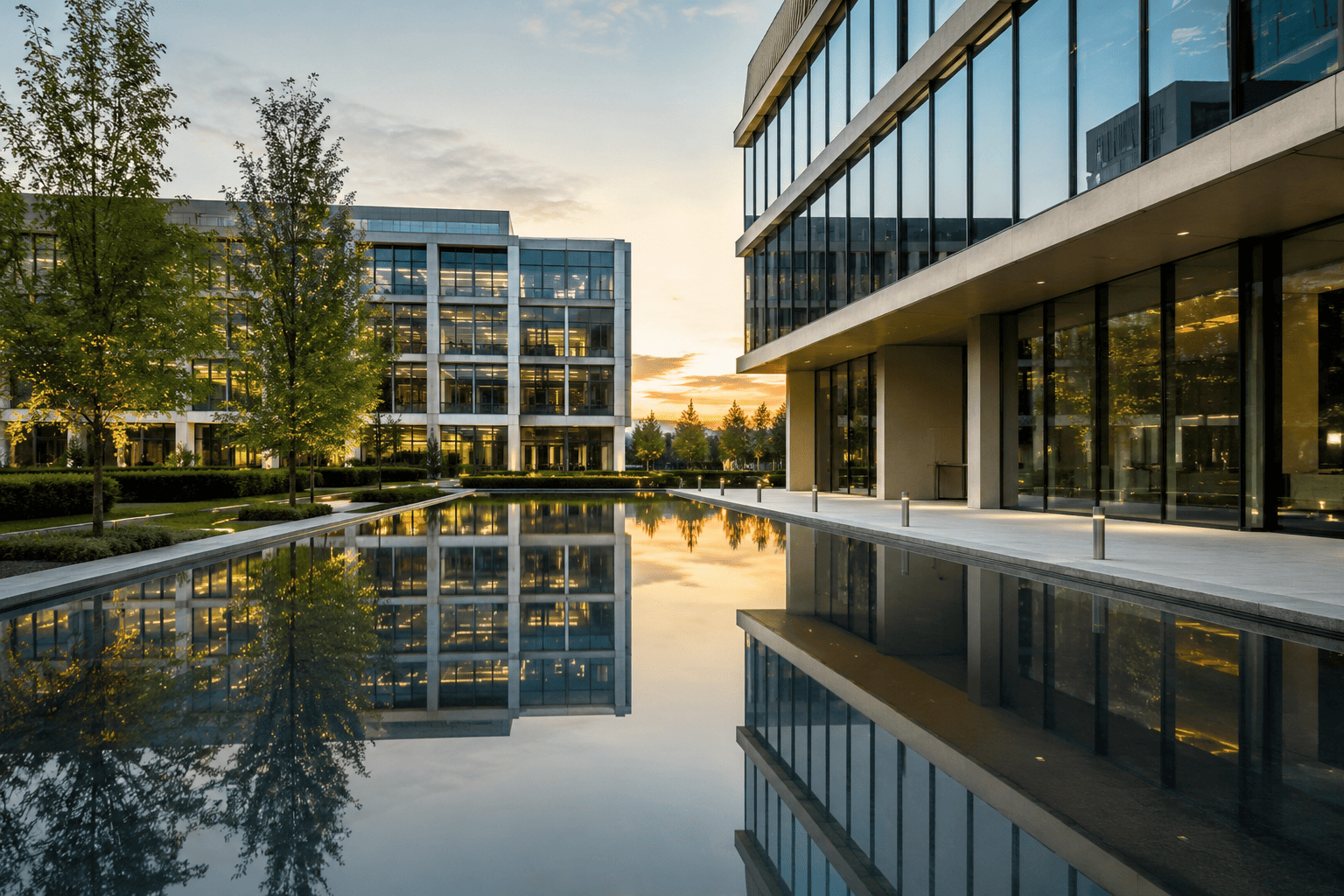
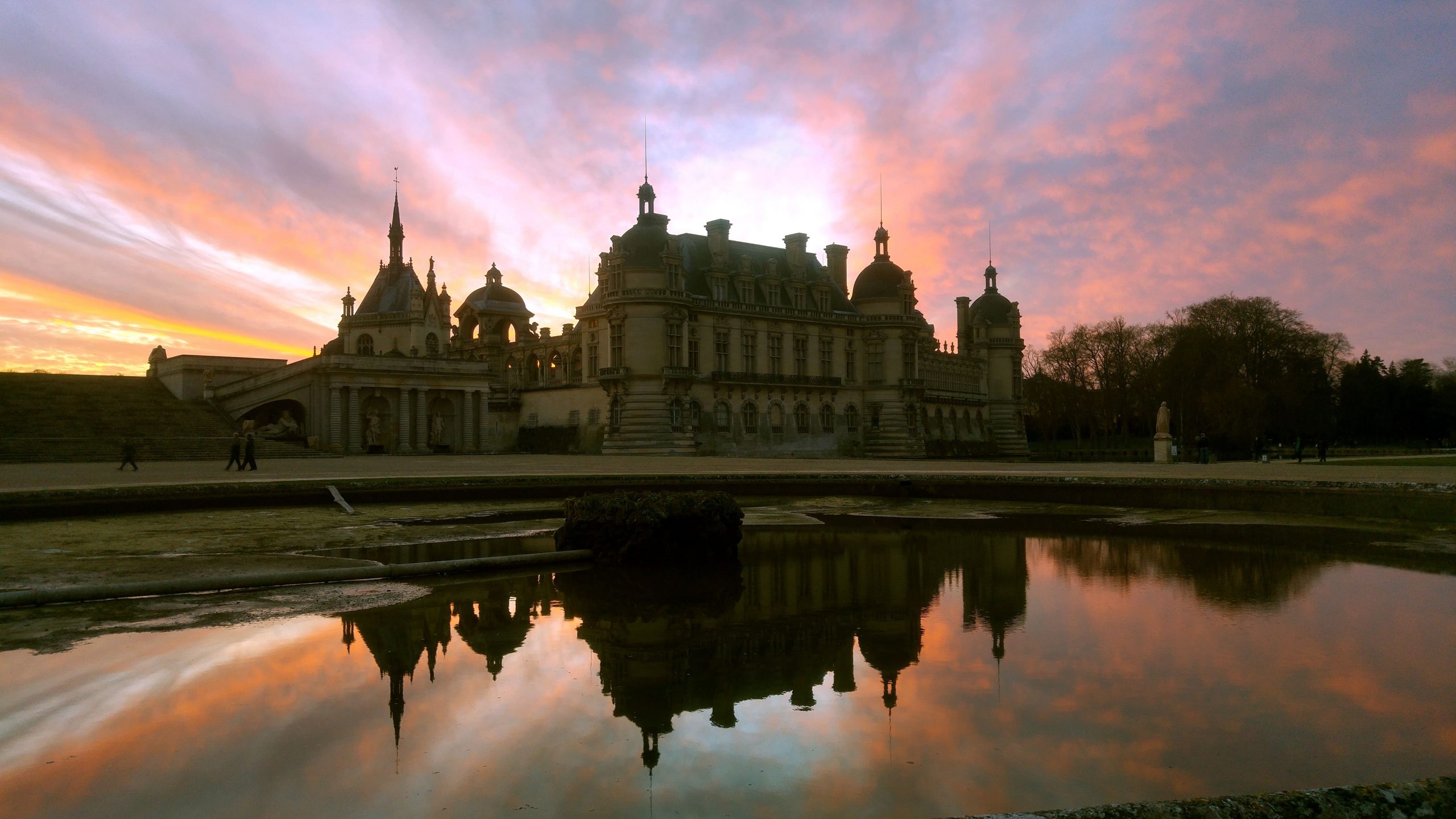
Water mirrors are surfaces of calm, shallow water built to reflect the architectural or natural landscape that surrounds them. The mirror effect makes nearby objects appear larger and gives a sense of wide, balanced spaces. This is their most distinctive feature.
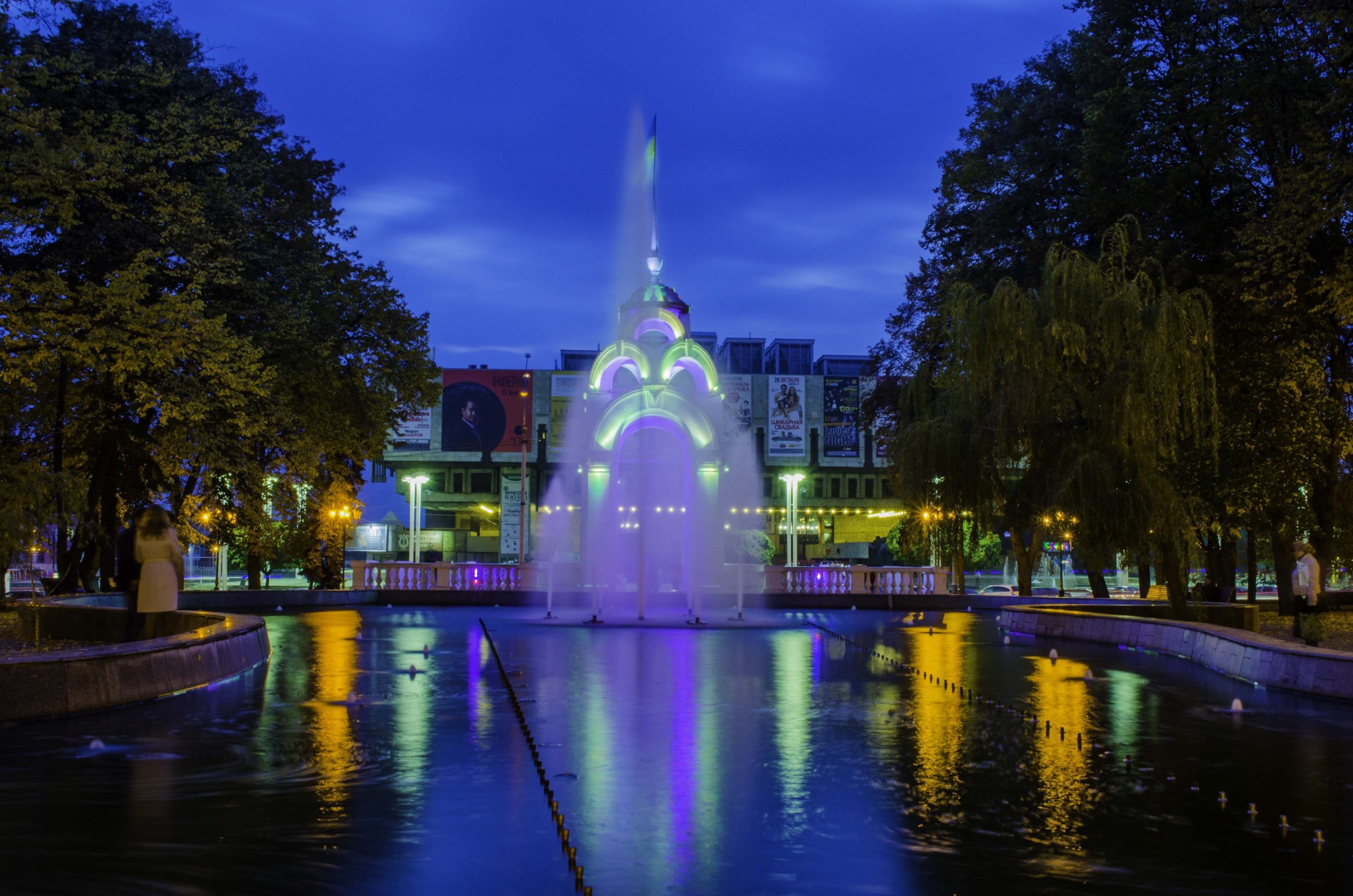
These components can come in different forms, from completely still sheets of water to designs that include some movement, light or a connection with fountains. They are also combined with materials such as steel, concrete or stone, adapting to different styles, whether classical or modern.
Why are water mirrors ideal for urban and institutional projects?
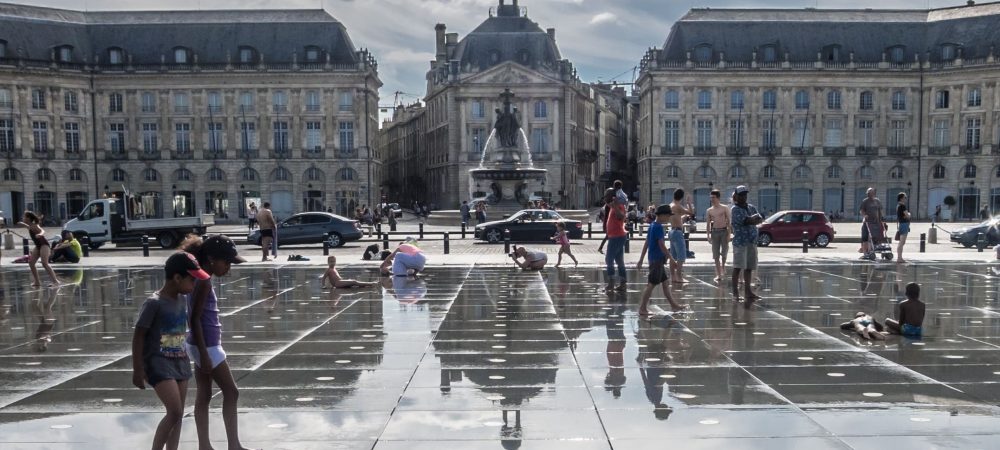
Water mirrors are ideal for institutional and city projects for several reasons. First, they beautify the city, creating a space that is pleasant to the eye. They also help regulate air temperature, which can make the climate of nearby areas more agreeable. These water mirrors also help manage water, since they help collect and store rainwater. Squares, moreover, offer moments of leisure and relaxation, promoting social interaction and people’s well-being. Finally, they can be home to different species and thus contribute to the biodiversity of the place.
In short, these characteristics make water mirrors a good option for urban development and institutional planning, since including water mirrors serves various purposes. On the one hand, they have important symbolic and aesthetic value, and on the other, they improve the experience of the people who use these places, as mentioned above.
Water brings a natural element that makes the landscape more beautiful and helps balance densely populated cities with many hard, concrete surfaces. Water mirrors installed in institutional buildings can express values such as tranquillity, clarity and innovation.
These elements can also organise space by creating defined areas, guiding routes or generating points of interest that visually structure the environment. Their flexibility makes them a good option both for large urban projects and for smaller areas.
Advantages of including a water mirror in urban projects
- High visual impact: The reflections create unique compositions that change throughout the day depending on the light, bringing dynamism to the space.
- Improved well-being: The presence of water has a positive psychological effect, helping to reduce stress and generating more pleasant environments.
- Contribution to thermal comfort: In warm climates, they help reduce the ambient temperature through evaporation, improving the habitability of the space.
- Revaluation of the environment: They increase the appeal of urban and institutional areas, which can translate into greater footfall and use of the space.
- Integration with sustainable design: They can be part of sustainability strategies, such as water reuse or urban drainage systems.
- Versatility and customisation: They adapt to different scales, styles and budgets, allowing tailor-made solutions for each project.
- Reinforcement of the project identity: In institutional spaces, they can become an iconic element that reinforces the image and character of the place.
In conclusion, we can say that there are several advantages to installing water mirrors, since they beautify spaces and also bring functional, environmental and emotional value. Their integration into urban and institutional projects represents a commitment to more human, sustainable and attractive environments, where architecture and nature engage in a balanced dialogue.